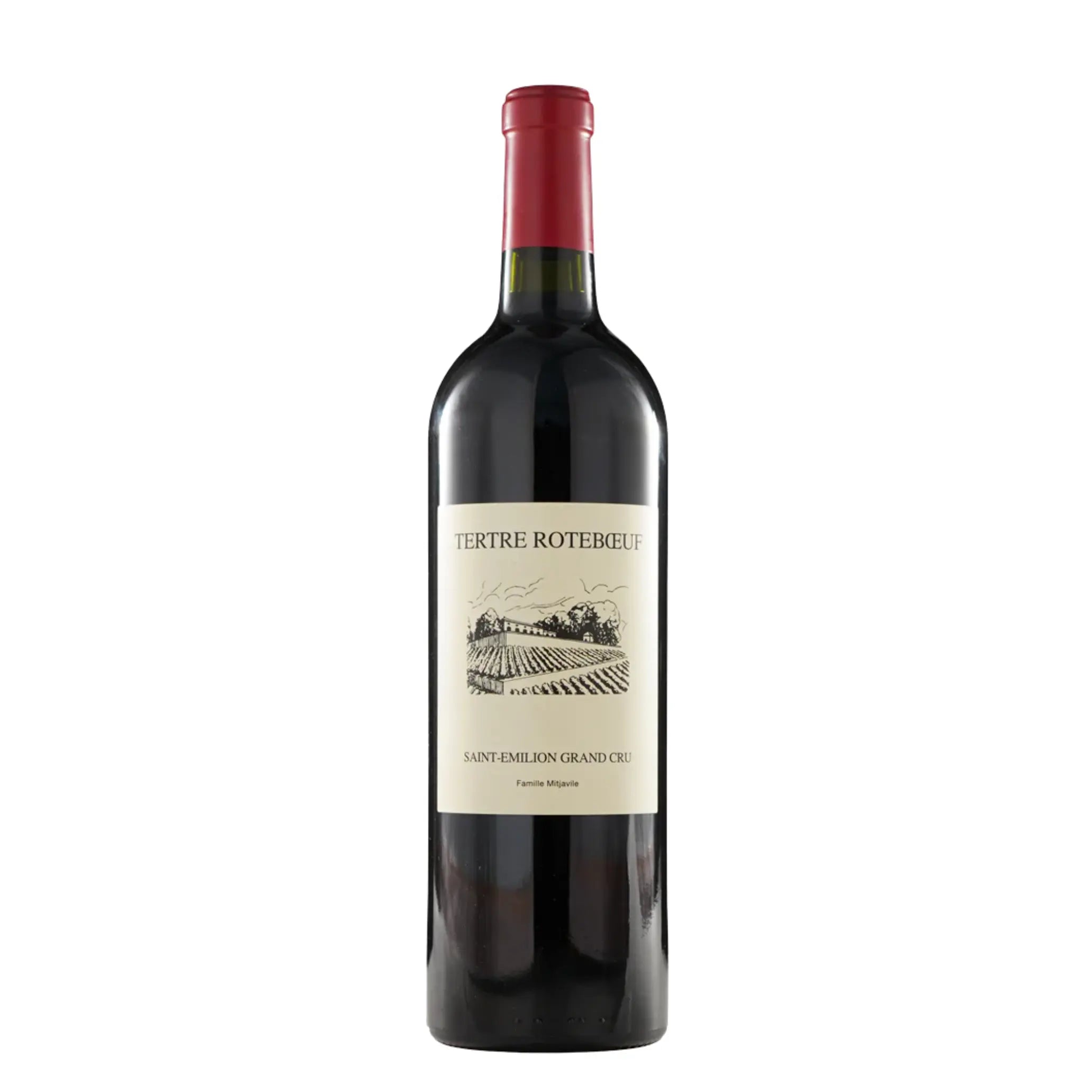

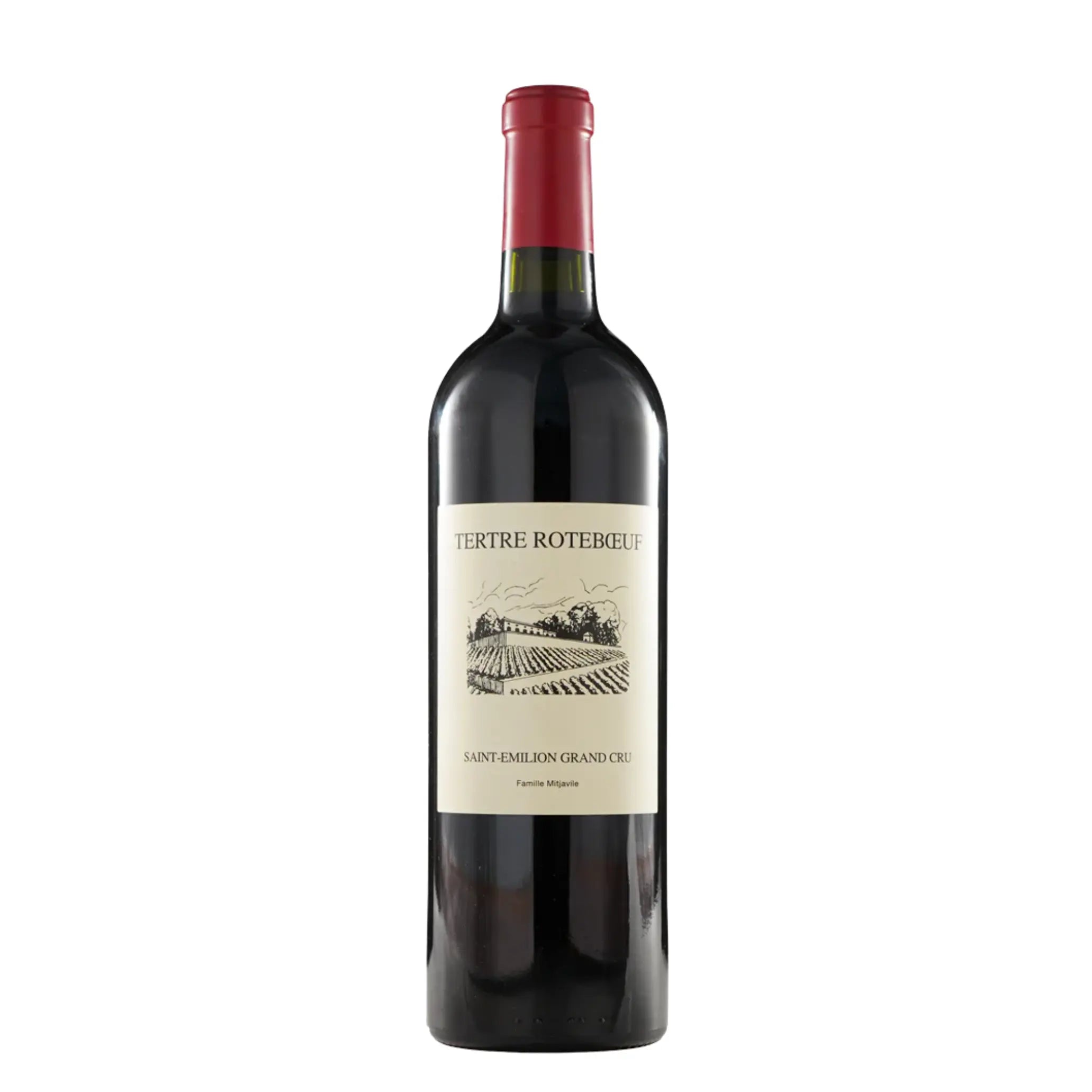
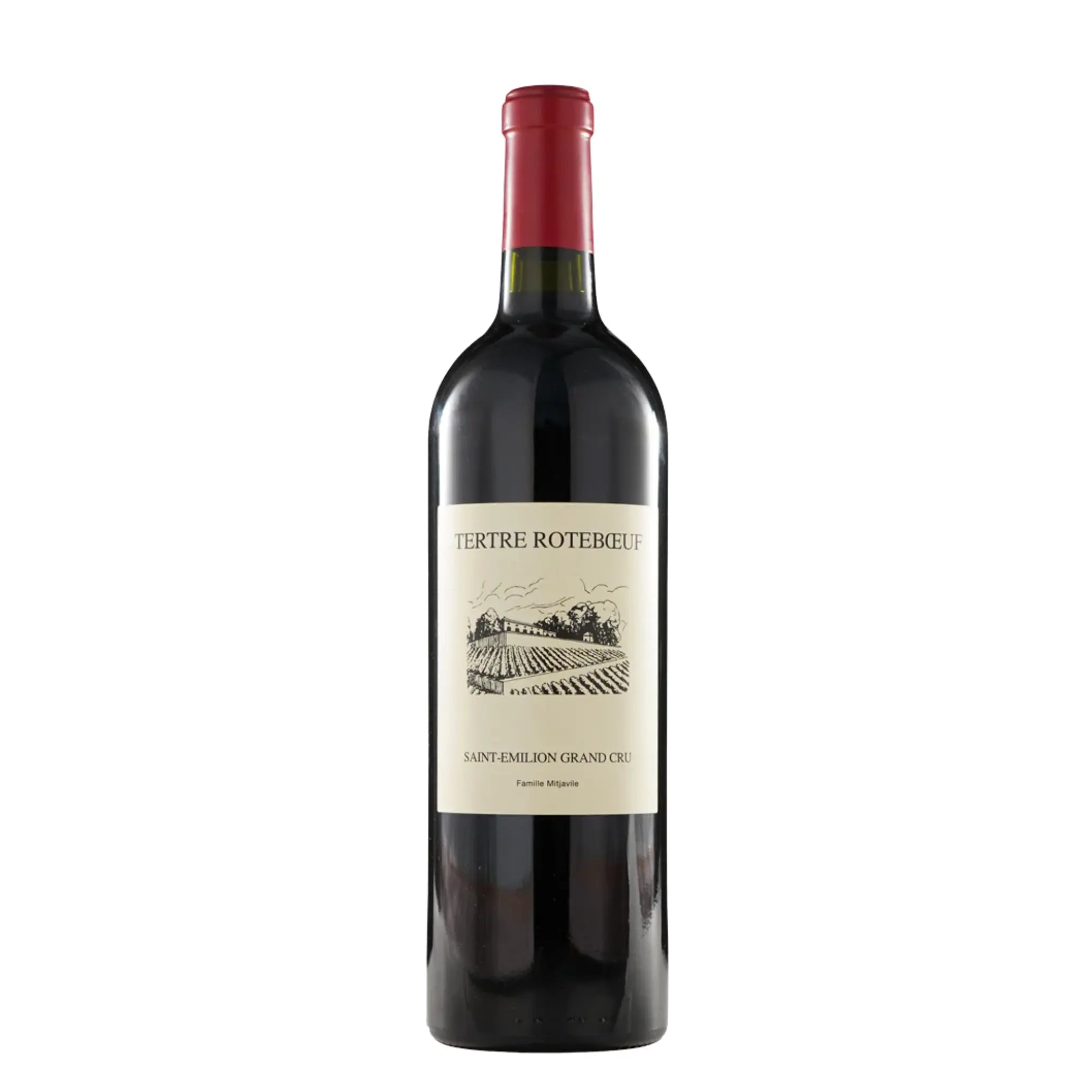
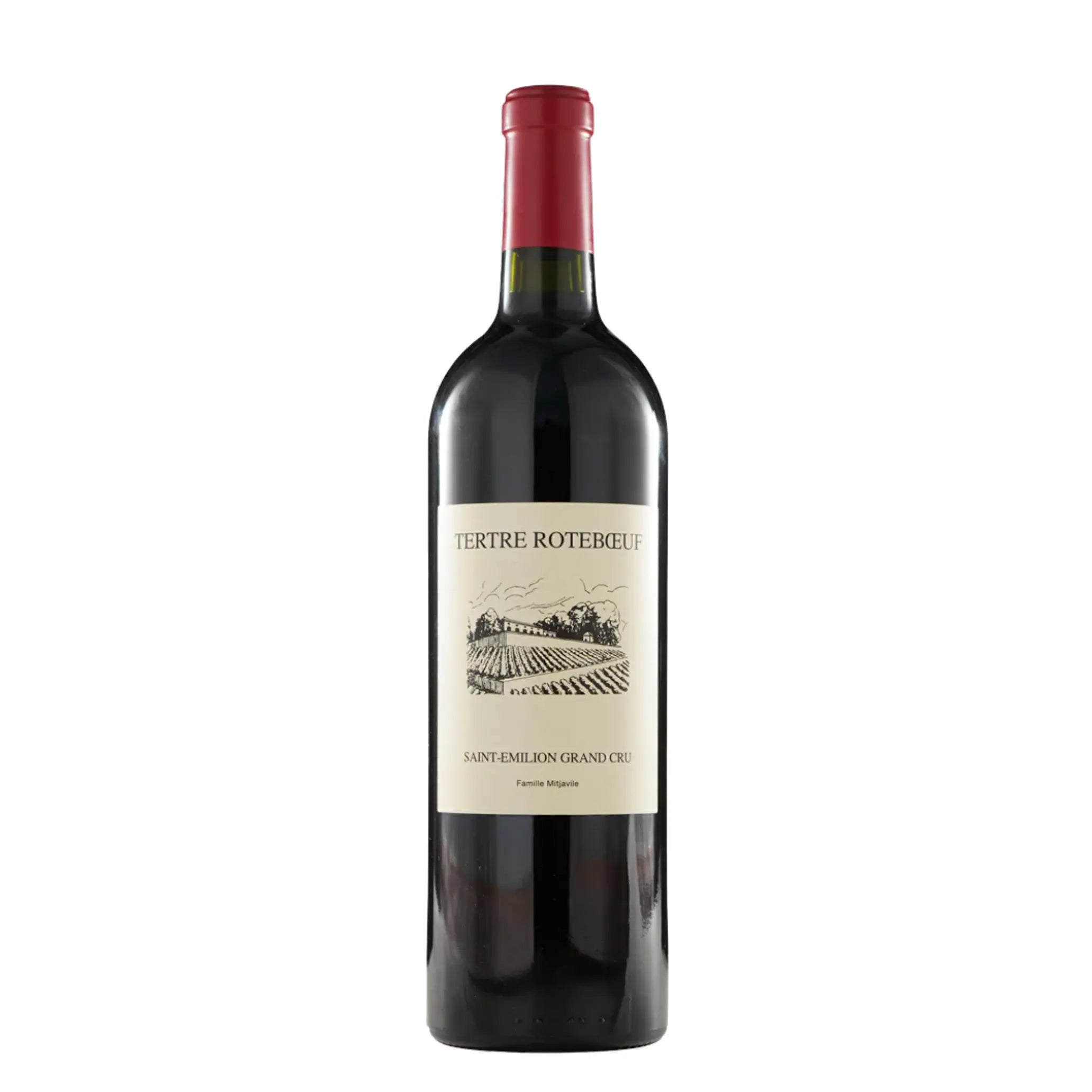
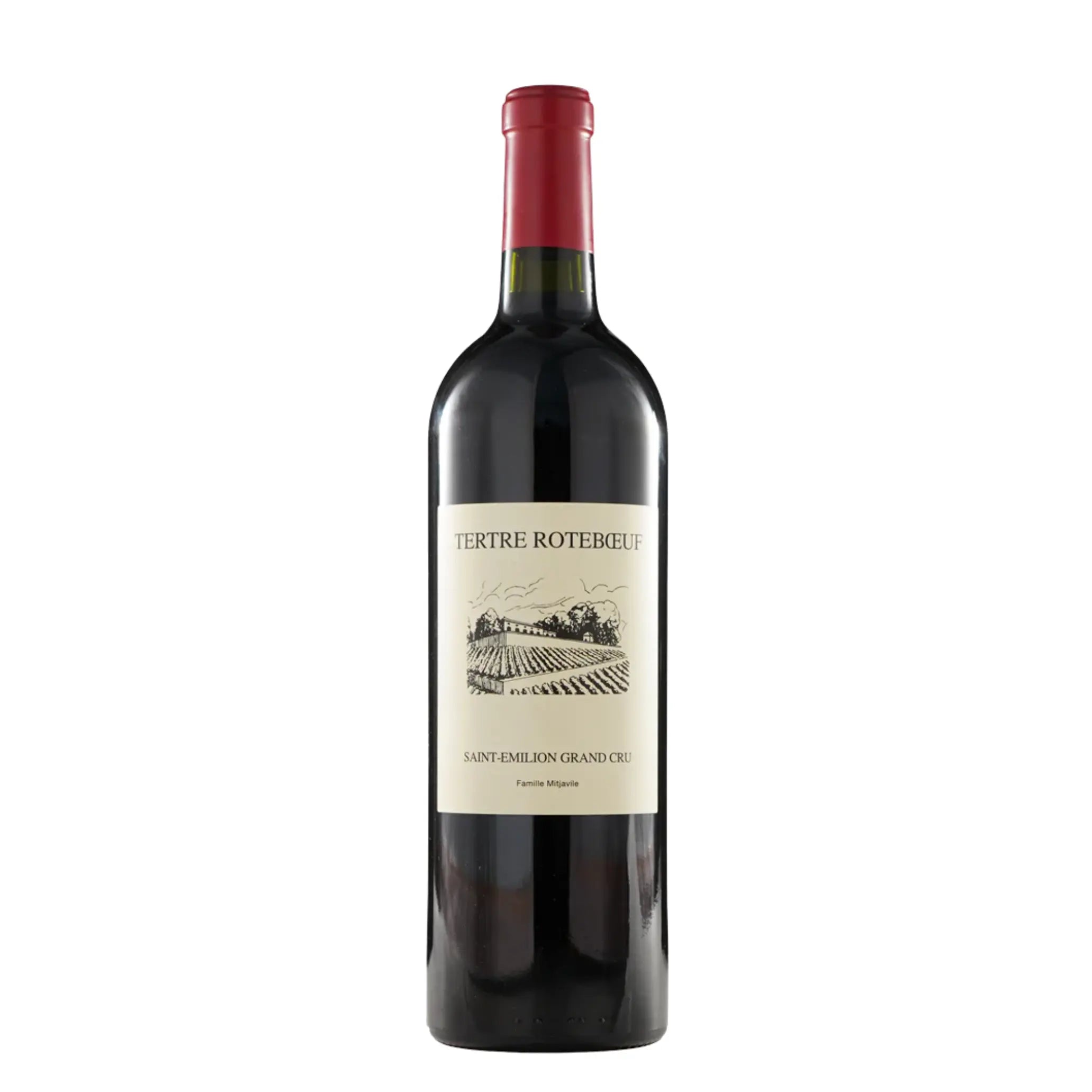
Chateau Tertre Roteboeuf
Classification
Chateau Tertre Roteboeuf is one of Saint-Émilion’s most distinctive and sought-after estates. Though outside the official Saint-Émilion classification system, it is widely regarded at a level comparable with the appellation’s leading properties. Its reputation rests on scarcity, individuality, and the long-standing stewardship of François Mitjavile.
Highlights
- Saint-Émilion Grand Cru: A small Right Bank estate with a strong following among serious Bordeaux collectors.
- Limited Production: Around 5.7 to 6 hectares under vine, resulting in modest annual volumes.
- Family Stewardship: Directed by François Mitjavile, also associated with Roc de Cambes.
- Distinctive Terroir: Positioned on a steep, south-facing slope near Saint-Laurent-des-Combes.
Provenance & Masters Behind the Bottle
The modern identity of Tertre Roteboeuf is inseparable from François Mitjavile, who took charge of the family property in the late 1970s after gaining experience at Château Figeac. Under his direction, the estate moved from relative obscurity to become one of the most closely followed names in Saint-Émilion. Mitjavile’s approach is independent, deliberate, and grounded in a clear understanding of ripeness, élevage, and vineyard expression.
Vineyard & Craftsmanship
The vineyard lies a few kilometres southeast of Saint-Émilion, on a naturally sheltered slope at the edge of the limestone plateau. Its clay-limestone soils, exposure, and modest scale allow for careful farming and precise parcel work. The vineyard is planted primarily to Merlot, with Cabernet Franc providing structure and definition. In the cellar, the emphasis is on measured extraction, patient maturation, and preserving the estate’s singular character rather than following conventional Right Bank formulas.
Aging & Investment Value
Tertre Roteboeuf has developed a strong secondary-market presence due to its rarity, loyal collector base, and consistent critical regard. Mature bottles are not widely available, and provenance is especially important when sourcing older vintages. For collectors seeking Saint-Émilion with individuality, limited production, and long-term cellar interest, Tertre Roteboeuf remains one of the appellation’s most compelling names.
Recently viewed
Perfect 100 Pointer