





WINEMAKER NOTES
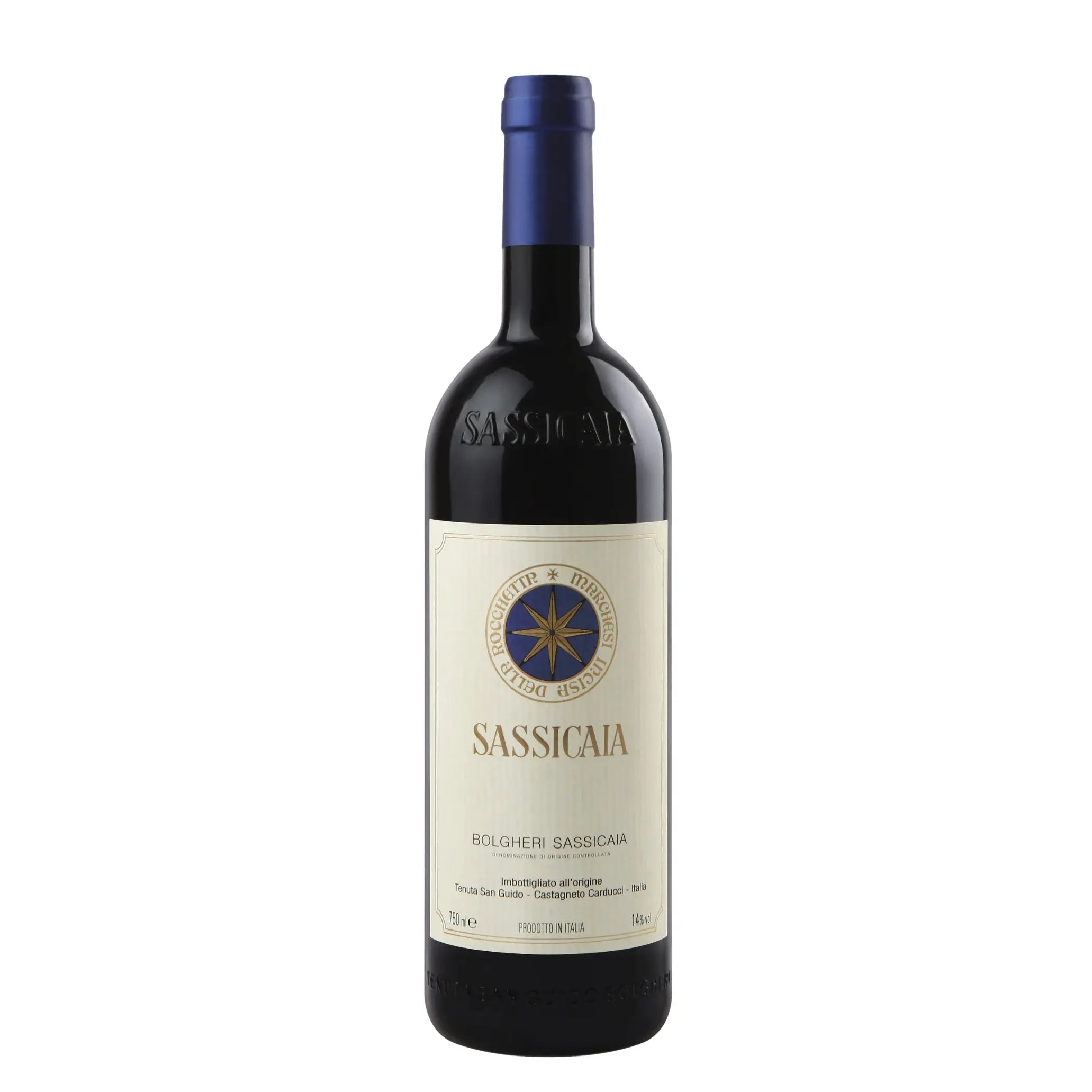
2010 Tenuta San Guido Sassicaia Bolgheri, Tuscany, Italy
Appellation: D.O.C. Bolgheri Sassicaia
Grape blend: 85 % Cabernet Sauvignon 15 % Cabernet Franc
Soil composition: The vineyards are planted on plots of land with different and composite morphological characteristics, as well as with a strong presence of limestone. These areas are also rich in rocks and rather rich in clay and are located at an altitude between 100 and 300 meters above sea level, facing West - South/West.
Vine training: Cordon spur system
Planting density: Between 3.600 to 5.500 vine stocks/Ha for older vineyards and 6.200 vine stocks/Ha for newer vineyards.
Climate:
Although not as rich in snow as the previous year, the climate in 2010 took us back in time: a long and cold winter, and a wet and cool spring. The bud burst was therefore regular, but certainly not precocious.
During the winter we had temperatures below the seasonal average until the end of March and this allowed for the blocking of the vegetative phases of the vines. In mid-March we had significant snowfall and also the Spring was colder than usual, with temperatures below the seasonal average and heavy rains until May.
This trend led to a delay in flowering and veraison and consequently, to a slower vegetative growth. Subsequently the temperatures aligned themselves to the seasonal average. This coupled with large temperature excursions between night and day, encouraged the development of perfumes.
July was very hot and sunny with no rainfall and the development of the plants was regular, while in August we had about 70 mm of rains and the maximum temperatures did not exceed 32 degrees.
Harvest
The grape harvest started on the third week of September, 2 - 3 weeks later than the previous years, mainly due to the low temperatures during the Spring, which led to a delay in the development of the grapes. Harvesting ended in the second half of October, with perfectly ripe fruit, an excellent polyphenol development, sugar balance and alcohol content.
Wine making
The primary fermentation took place in temperature controlled stainless steel vats at a temperature of 30° - 31° C. The maceration of the skins lasted 15 days for both the Cabernet Sauvignon and the Cabernet Franc, with a combination of pumping over and délestage. The malolactic or secondary fermentation also took place in the steel vats.
Ageing
The wine is aged for 24 months in French oak barriques and a few more months in the bottle before being released on the market.
Reviewed by Monica LarnerIssue date: April 2017Drinking window: 2017–2025
Reviewed by Antonio GalloniTasting date: July 2015Drinking window: 2020–2040
Shipping Information
Domestic Shipping
We ship wine from Los Angeles, California, to eligible U.S. states via UPS or FedEx. Orders placed Monday through Thursday before 2:00 PM Pacific Time typically ship the same business day. Orders received after Thursday's cutoff or Friday through Sunday are generally held until Monday to avoid weekend transit. Shipping schedules may vary due to weather, holidays, and carrier operations.
Same-day local delivery may be available within the Los Angeles area Monday through Friday for orders placed before 2:00 PM Pacific Time. Please contact us to confirm availability and arrangements.
Free Warehouse Pickup by Appointment
Purchase online and select pickup at checkout to collect your order free of charge from our warehouse. Pickup is available Monday–Friday, 9:00 AM–5:00 PM Pacific Time, by appointment.
Please contact us to arrange your pickup appointment before arriving, and wait until we confirm your order is ready. Same-day pickup is generally available for in-stock orders during pickup hours, subject to appointment confirmation. Bring your order confirmation and valid government-issued photo ID showing you are 21 or older.
Packaging & Weather Holds
All wines are packed in protective EPS foam shipping containers, with gel packs used when appropriate. Original Wooden Cases (OWC) are shipped separately to protect both the wine and its original packaging.
During periods of excessive heat or freezing temperatures, we may recommend expedited shipping or holding your order. Complimentary temperature-controlled storage is available for up to six months from the purchase date. Select the weather-hold option at checkout or contact us to arrange a future shipment.
Please review our Temperature Protection & Shipping Policy for shipping recommendations, weather forecasts, and temperature-related responsibilities.
Shipping Protection
Shipping protection against eligible loss or physical damage during transit is included with qualifying shipments, subject to applicable coverage terms, exclusions, and claims requirements. Temperature-related deterioration, including heat or cold exposure, is not covered.
Delivery & Signature Requirements
All wine deliveries require an adult signature from a recipient aged 21 or older. Customers are responsible for providing an accurate shipping address and ensuring an eligible adult is available on the first delivery attempt.
Failed delivery attempts, incorrect or incomplete addresses, refused deliveries, rerouting, or returned shipments may result in additional carrier, return, and reshipment charges payable by the customer.
International Shipping
International shipping may be arranged to select destinations, subject to prior approval and a minimum order of $2,000. Availability, import requirements, duties, and restrictions vary by destination. Please review our International Shipping Information before placing an order.
Where We Ship
We currently ship wine to the following U.S. states:
Alabama, Alaska, Arizona, Arkansas, California, Colorado, Connecticut, Delaware, Florida, Georgia, Hawaii, Idaho, Illinois, Indiana, Iowa, Kansas, Kentucky, Louisiana, Maine, Maryland, Massachusetts, Michigan, Minnesota, Mississippi, Missouri, Montana, Nebraska, Nevada, New Hampshire, New Jersey, New Mexico, New York, North Carolina, Ohio, Oklahoma, Oregon, Pennsylvania, Rhode Island, South Carolina, South Dakota, Tennessee, Texas, Vermont, Virginia, Washington, West Virginia, Wisconsin, and Wyoming.
Shipping eligibility is subject to applicable laws and carrier availability. If your state is unavailable at checkout, please contact us to confirm current shipping options.
Reviewed by Monica LarnerIssue date: April 2017Drinking window: 2017–2025
Reviewed by Antonio GalloniTasting date: July 2015Drinking window: 2020–2040
2010 Tenuta San Guido Sassicaia Bolgheri, Tuscany, Italy
Appellation: D.O.C. Bolgheri Sassicaia
Grape blend: 85 % Cabernet Sauvignon 15 % Cabernet Franc
Soil composition: The vineyards are planted on plots of land with different and composite morphological characteristics, as well as with a strong presence of limestone. These areas are also rich in rocks and rather rich in clay and are located at an altitude between 100 and 300 meters above sea level, facing West - South/West.
Vine training: Cordon spur system
Planting density: Between 3.600 to 5.500 vine stocks/Ha for older vineyards and 6.200 vine stocks/Ha for newer vineyards.
Climate:
Although not as rich in snow as the previous year, the climate in 2010 took us back in time: a long and cold winter, and a wet and cool spring. The bud burst was therefore regular, but certainly not precocious.
During the winter we had temperatures below the seasonal average until the end of March and this allowed for the blocking of the vegetative phases of the vines. In mid-March we had significant snowfall and also the Spring was colder than usual, with temperatures below the seasonal average and heavy rains until May.
This trend led to a delay in flowering and veraison and consequently, to a slower vegetative growth. Subsequently the temperatures aligned themselves to the seasonal average. This coupled with large temperature excursions between night and day, encouraged the development of perfumes.
July was very hot and sunny with no rainfall and the development of the plants was regular, while in August we had about 70 mm of rains and the maximum temperatures did not exceed 32 degrees.
Harvest
The grape harvest started on the third week of September, 2 - 3 weeks later than the previous years, mainly due to the low temperatures during the Spring, which led to a delay in the development of the grapes. Harvesting ended in the second half of October, with perfectly ripe fruit, an excellent polyphenol development, sugar balance and alcohol content.
Wine making
The primary fermentation took place in temperature controlled stainless steel vats at a temperature of 30° - 31° C. The maceration of the skins lasted 15 days for both the Cabernet Sauvignon and the Cabernet Franc, with a combination of pumping over and délestage. The malolactic or secondary fermentation also took place in the steel vats.
Ageing
The wine is aged for 24 months in French oak barriques and a few more months in the bottle before being released on the market.
Quick view

